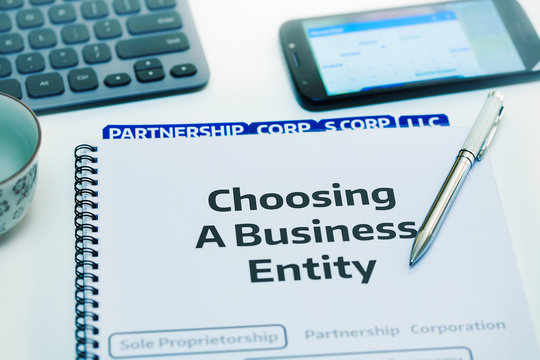
Congratulations on taking the first step in your business journey! Now that you’re familiar with the types of entities under the Companies and Other Business Entities Act of 2019, it’s time to weigh the pros and cons of each option. By the end of this guide, you’ll be better equipped to choose the entity that aligns with your vision.
1. Private Limited Company (Pvt Ltd)
A Private Limited Company is one of the most popular choices for small to medium enterprises in Zimbabwe. It is a legal entity distinct from its owners, offering protection for personal assets. This structure is ideal for businesses seeking privacy, professionalism, and moderate to rapid growth.
Advantages
✓ Limited Liability: Owners’ personal assets are safeguarded from business debtsand liabilities.
✓ Business Continuity: Operates as a separate legal entity, ensuring stability even ifshareholders change.
✓ Credibility: Perceived as a professional and trustworthy structure by investors andclients.
✓ Ownership Flexibility: Shareholders can transfer shares, enabling smootherchanges in ownership.
Disadvantages
✓ Higher Costs: Both registration and ongoing maintenance are more expensive thansimpler entities.
✓ Compliance Complexity: Involves strict adherence to corporate laws, includingfiling annual returns.
✓ Less Privacy: Although private, information must still be disclosed to authorities.
2. Public Limited Company (Ltd)
A Public Limited Company allows you to raise capital by selling shares to the public. This structure is often chosen for large-scale businesses that require significant funding and are ready to operate with high transparency and regulatory oversight.
Advantages
✓ Access to Capital: Capable of raising funds by selling shares to the public.
✓ Brand Recognition: Public listing boosts visibility and trustworthiness.
✓ Scalability: Suitable for large-scale businesses seeking rapid growth anddiversification.
Disadvantages
✓ High Compliance Standards: Stricter legal and regulatory requirements demandsignificant effort.
✓ Transparency Requirements: Obligated to disclose financial and operationalinformation.
✓ Ownership Dilution: Control is shared among numerous shareholders.
3. Partnership
A partnership is a collaborative business structure where two or more individuals share responsibilities, profits, and risks. It’s a good fit for professionals or businesses where teamwork and shared expertise are key.
Advantages
✓ Low Setup Costs: Requires fewer resources to establish compared to corporations.
✓ Collaborative Resource Pooling: Partners bring diverse skills and resources.
✓ Shared Responsibility: Burdens are divided among partners, lessening individualrisk.
Disadvantages
✓ Unlimited Liability: For general partnerships, partners’ personal assets are at risk.
✓ Potential Conflict: Misunderstandings or disagreements can disrupt operations.
✓ Limited Growth Potential: Raising large-scale capital may be difficult withoutexternal partners.
4. Sole Proprietorship
A sole proprietorship is a straightforward structure suited to individuals who want total control over their business. While easy to set up, it places full responsibility for debts and losses on the owner.
Advantages
✓ Autonomy: You have full control and can make decisions without consulting others.
✓ Low Initial Costs: Minimal paperwork and reduced registration fees.
✓ Simplified Taxation: Business income is taxed as personal income.
Disadvantages
✓ Unlimited Liability: You’re personally liable for business debts and obligations.
✓ Limited Financial Resources: Reliance on personal funds can cap businessexpansion.
✓ Lack of Continuity: The business dissolves if the owner is incapacitated or ceasesto operate.
5. CooperativesCooperatives are member-driven organizations that prioritize mutual benefits over individual profits. They’re excellent for community-focused ventures that thrive on collaboration and shared ownership.
Advantages
✓ Equal Ownership: Each member has equal say in decision-making, fosteringinclusivity.
✓ Mutual Benefits: Profits are reinvested or shared equitably among members.
✓ Tax Incentives: May qualify for exemptions or favourable tax rates.
Disadvantages
✓ Slow Decision-Making: Consensus-driven decisions can delay progress.
✓ Financial Constraints: Relies on contributions from members for funding.
✓ Complex Governance: Requires clear regulations to manage diverse interests.
6. Trusts
Trusts are primarily used for managing assets rather than conducting active business operations. They are commonly chosen for estate planning or safeguarding resources for future beneficiaries.
Advantages
✓ Asset Protection: Preserves wealth for beneficiaries by shielding assets fromcreditors.
✓ Legacy Planning: Facilitates long-term distribution and management of resources.
✓ Tax Efficiency: Can offer tax advantages depending on how it’s structured.
Disadvantages
✓ High Costs: Requires professional legal and financial expertise.
✓ Inflexibility: Modifications to the trust structure can be difficult once established.
✓ Limited Commercial Functionality: More suited for preserving wealth than activebusiness operations.
7. Private Business Corporation (PBC)
A Private Business Corporation is designed for small-scale operations, offering ease of registration and management. It is a flexible option for entrepreneurs seeking to minimize complexity while retaining limited liability.
Advantages
✓ Ease of Management: Simplified governance structure compared to a PrivateLimited Company.
✓ Affordable: Registration and operational costs are lower.
✓ Limited Liability: Members’ personal assets are safeguarded against businessdebts.
Disadvantages
✓ Restricted Growth: Best for small-scale ventures with limited expansion goals.
✓ Dependence on Members: The entity’s success relies heavily on the activeparticipation of its members.
✓ Perception: May lack the prestige and perceived credibility of a Private LimitedCompany.
Five Simple Questions to Guide Your Decision
To help you decide on the most suitable business entity, ask yourself these key questions:
1. What risks can I afford? Do you need personal asset protection, or can you take onunlimited liability?
2. How much funding do I need? Will I rely on personal savings, partners, or publicinvestors?
3. Where do I see my business in the future? Is it a small venture or a large, scalableoperation?
4. Who will make decisions? Will it be just me, a team of partners, or a cooperative group?
5. Can I manage legal requirements? Am I comfortable with ongoing compliance anddisclosures?
These questions will help you focus your priorities and select the entity that best suits your aspirations.
In the next instalment I will take you through the regulatory requirements for the registration of each type of business entity and some of the costs associated with the processes.

